Plan Your Garden for Your Family Size (And What You’ll Actually Eat)
Every spring, when the soil starts warming and the frost begins to loosen its grip on Indiana, families begin dreaming about their gardens.
Seed catalogs come out. Garden plans get sketched. Raised beds get cleaned up.
But many gardeners make the same mistake:
They plant what sounds exciting, not what their family will actually eat.
The result?
Zucchini taking over the garden. Lettuce bolting before anyone finishes it. A freezer full of vegetables no one really likes.
If you want a garden that truly supports your household, the goal isn’t to grow everything.
It’s to grow the right amount of the right foods for your family.
Let’s walk through how to plan a garden that actually feeds your household.
Start With Your Last Frost Date
Before planting anything, it’s important to understand your growing season.
In most of Indiana, the average last frost date falls between mid-April and early May, depending on where you live:
Southern Indiana: around April 15–25
Central Indiana: around May 1
Northern Indiana: around May 10
This date matters because many garden crops — especially tomatoes, peppers, and cucumbers — cannot tolerate frost.
Cool-season crops like lettuce, peas, carrots, onions, and spinach can go into the ground several weeks before the last frost. Warm-season crops should wait until after frost danger has passed.
Knowing your frost date helps you plan when to start seeds, when to transplant, and how much food you can realistically grow in one season.
Step 1: List What Your Family Actually Eats
Before you buy seeds, start with your kitchen instead of your garden.
Look at what your family eats in a normal week.
Ask yourself:
What vegetables do we eat most often?
What produce do we buy regularly at the store?
What foods do my kids happily eat?
What do we preserve, freeze, or cook with often?
For many families, the list might include things like:
Tomatoes
Potatoes
Green beans
Cucumbers
Peppers
Lettuce
Carrots
Zucchini
Onions
Focus on the foods that will actually save you money at the grocery store and get eaten consistently.
A small garden that produces food your family loves is far better than a huge garden full of vegetables that go to waste.
Step 2: Estimate How Much Your Family Uses
Once you know what to grow, the next step is figuring out how much.
Think about your family’s yearly usage.
For example:
If your family eats:
Fresh tomatoes weekly in summer
Tomato sauce throughout winter
Salsa or canned tomatoes
You may want 20–30 tomato plants depending on how much you preserve.
If you only use cucumbers for fresh salads, 3–4 plants may be plenty.
But if you love pickles, you might want 10–15 cucumber plants.
Here’s a very general guideline many homesteaders use:
CropPlants Per PersonTomatoes3–5 plantsPeppers2–3 plantsLettucesuccession plantCucumbers2–3 plantsZucchini1–2 plantsGreen Beans10–15 plantsCarrots20–30 plants
Adjust these numbers depending on whether you plan to eat fresh, preserve, or share extras.
Step 3: Plan for Fresh Eating and Preservation
One of the greatest benefits of a garden is the ability to put food away for winter.
If you plan to can, freeze, or ferment vegetables, your garden will need to be larger.
For example:
To make about 7 quarts of canned tomato sauce, you may need 20–25 pounds of tomatoes.
That means planting enough tomatoes not just for summer meals, but also for preservation.
Other crops that are excellent for putting up include:
Tomatoes
Green beans
Sweet corn
Peppers
Carrots
Potatoes
Even a small garden can produce a surprising amount of food if you plant with preservation in mind.
Step 4: Use Succession Planting
One of the best ways to maximize a garden — especially in Indiana’s growing season — is succession planting.
Instead of planting everything at once, you plant in waves.
For example:
Plant lettuce every 2–3 weeks so it keeps producing instead of all maturing at once.
After early crops like peas or spinach finish, you can plant:
Beans
Cucumbers
Fall carrots
Fall lettuce
This allows one garden space to produce multiple harvests throughout the season.
Step 5: Grow the High-Value Crops
Some crops are inexpensive to buy at the store.
Others are far better when homegrown.
If you want to get the most value from your garden space, prioritize crops that:
Taste dramatically better fresh
Are expensive to buy
Produce heavily
Great examples include:
Tomatoes
Herbs
Salad greens
Cucumbers
Peppers
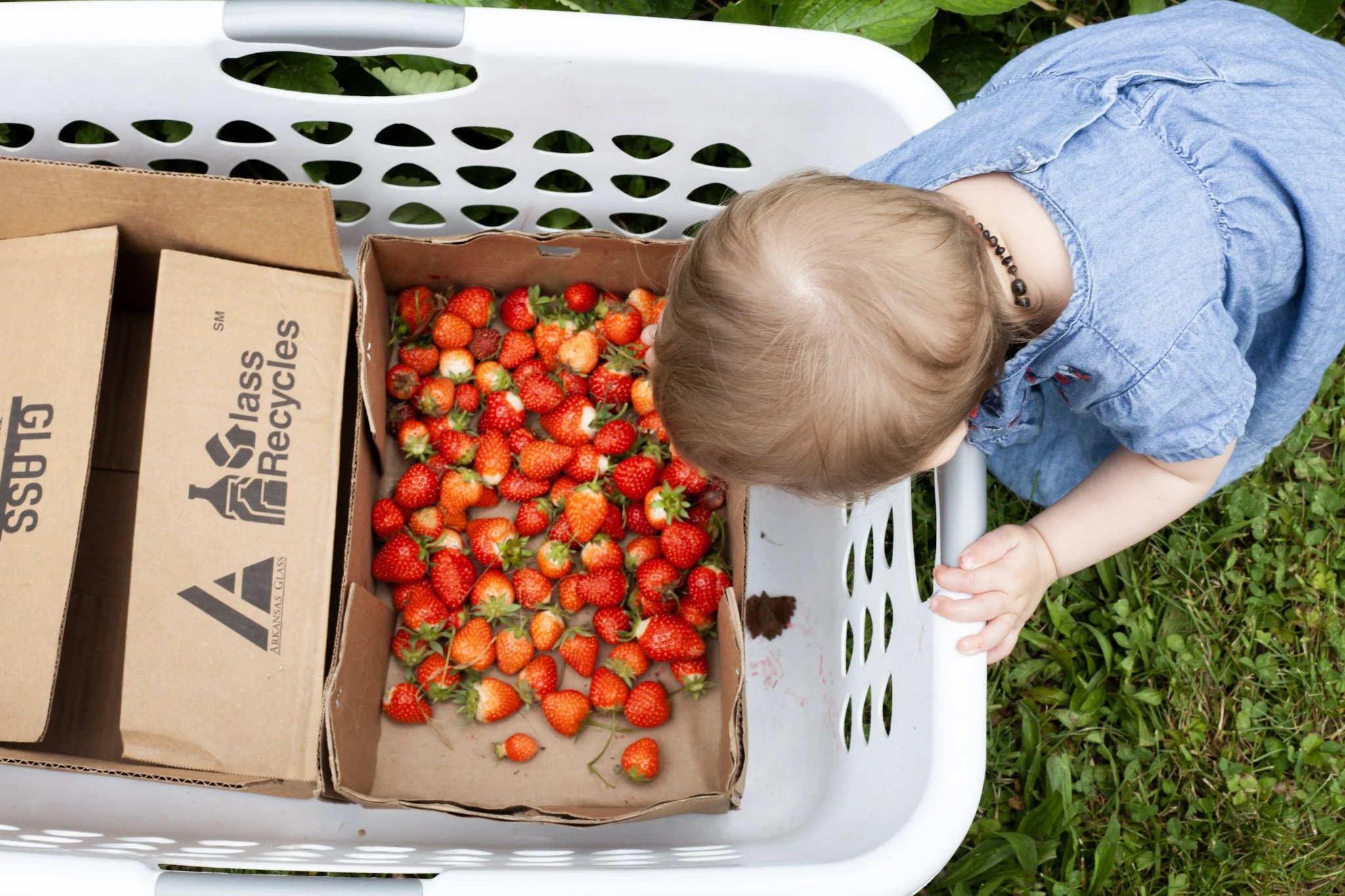
Strawberries
These foods tend to give the biggest return for your effort.
Step 6: Keep Your Garden Manageable
One of the biggest reasons gardens fail is simple:
People plant too much.
It’s easy to get excited in spring, but by July that excitement turns into weeding, watering, harvesting, and preserving.
A manageable garden should fit the time you realistically have.
It’s better to start with:
A few raised beds
A small row garden
Or a simple backyard plot
You can always expand next year once you know what your family truly uses.
Step 7: Build Your Garden Around Your Family’s Table
At the end of the day, gardening isn’t just about growing vegetables.
It’s about feeding your family well.
A well-planned garden supports meals like:
Fresh garden salads
Homemade salsa
Roasted vegetables
Fresh cucumbers and tomatoes at dinner
Jars of preserved food in winter
When your garden matches what your family actually eats, it becomes more than a hobby.
It becomes part of the rhythm of your home.
A Simple Garden Plan for a Family of Four
To give you a starting point, here’s a simple garden plan many Indiana families use:
12–16 tomato plants
8 pepper plants
4 cucumber plants
2 zucchini plants
2 rows of green beans
1 bed of carrots
1 bed of lettuce (succession planted)
herbs like basil, parsley, and thyme
This size garden can provide fresh vegetables all summer and some food for preserving, without becoming overwhelming.
Start Small and Grow From There
The first year of gardening is always a learning experience.
You’ll discover:
What grows well in your soil
What your family loves eating
What’s worth preserving
And what you might skip next year
Start simple. Grow what your family enjoys. And adjust each season as you learn.
Before long, your garden won’t just be producing vegetables.
It will be feeding your household, filling your pantry, and becoming one of the most rewarding parts of your home.