Raw Milk Nutrition: Why Traditional Cultures Considered Milk the Perfect Food
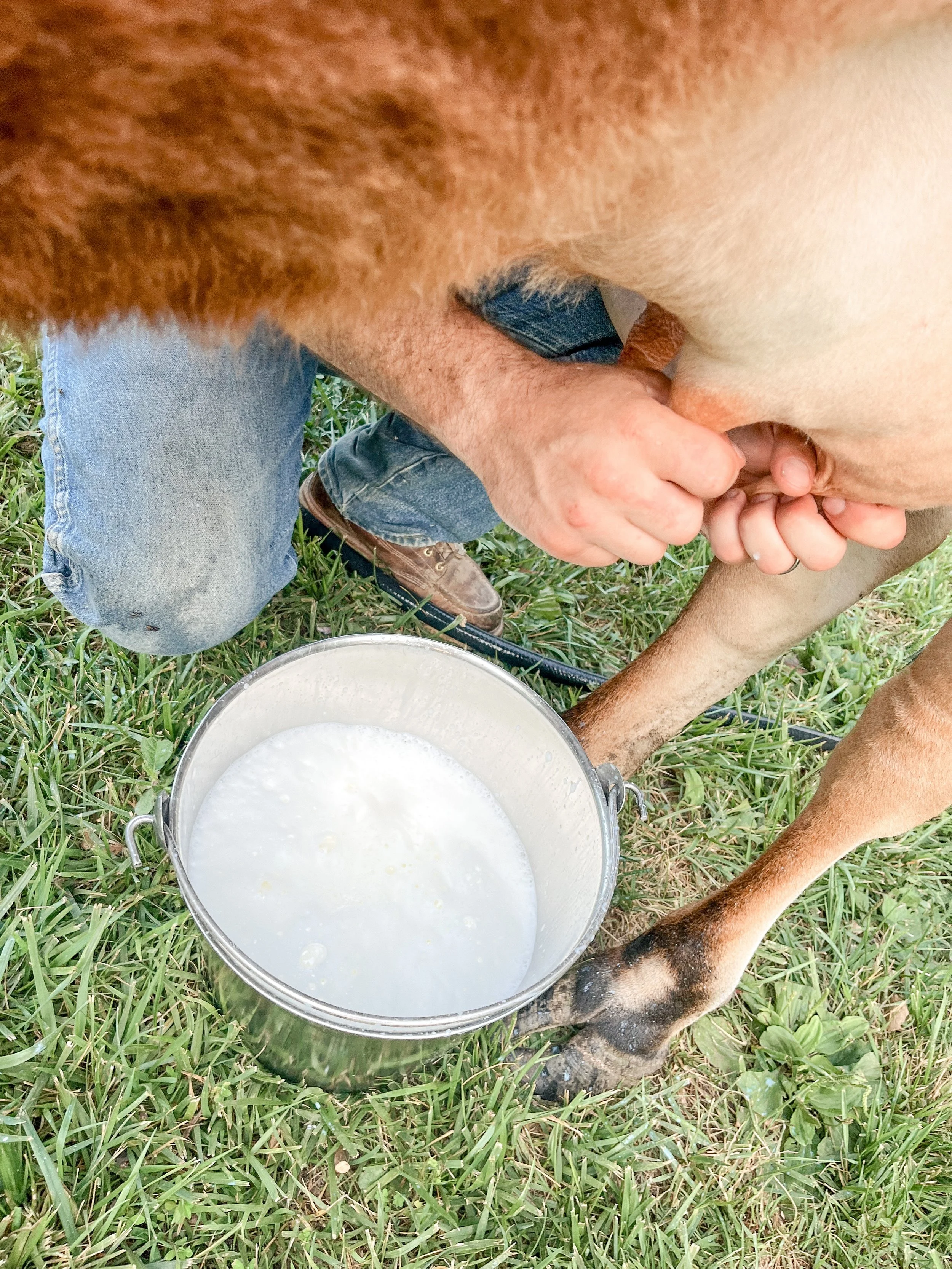
Milk has been a cornerstone of human diets for thousands of years. From the Swiss Alps to the plains of India, traditional cultures have relied on milk — often raw, unprocessed, and from pasture-raised cows — as a foundational source of nourishment.
At Rose n’ Thistle Farm in Southern Indiana, we see firsthand why milk, when produced responsibly, can be one of the most nutrient-dense foods you can bring to your table. For families who value real, whole foods, understanding the nutrition of raw milk is key.
What Makes Raw Milk Different from Store-Bought Milk
Raw milk is milk straight from the cow — unpasteurized, unhomogenized, and full of enzymes, vitamins, and beneficial fats.
Most store-bought milk is ultra-pasteurized and homogenized, which:
Destroys enzymes that aid digestion
Reduces certain fat-soluble vitamins like A, D, E, and K
Alters the structure of proteins, which can make milk harder for some people to tolerate
Raw milk from healthy, pasture-raised cows retains these nutrients, giving families the full benefits that traditional cultures relied on for generations.
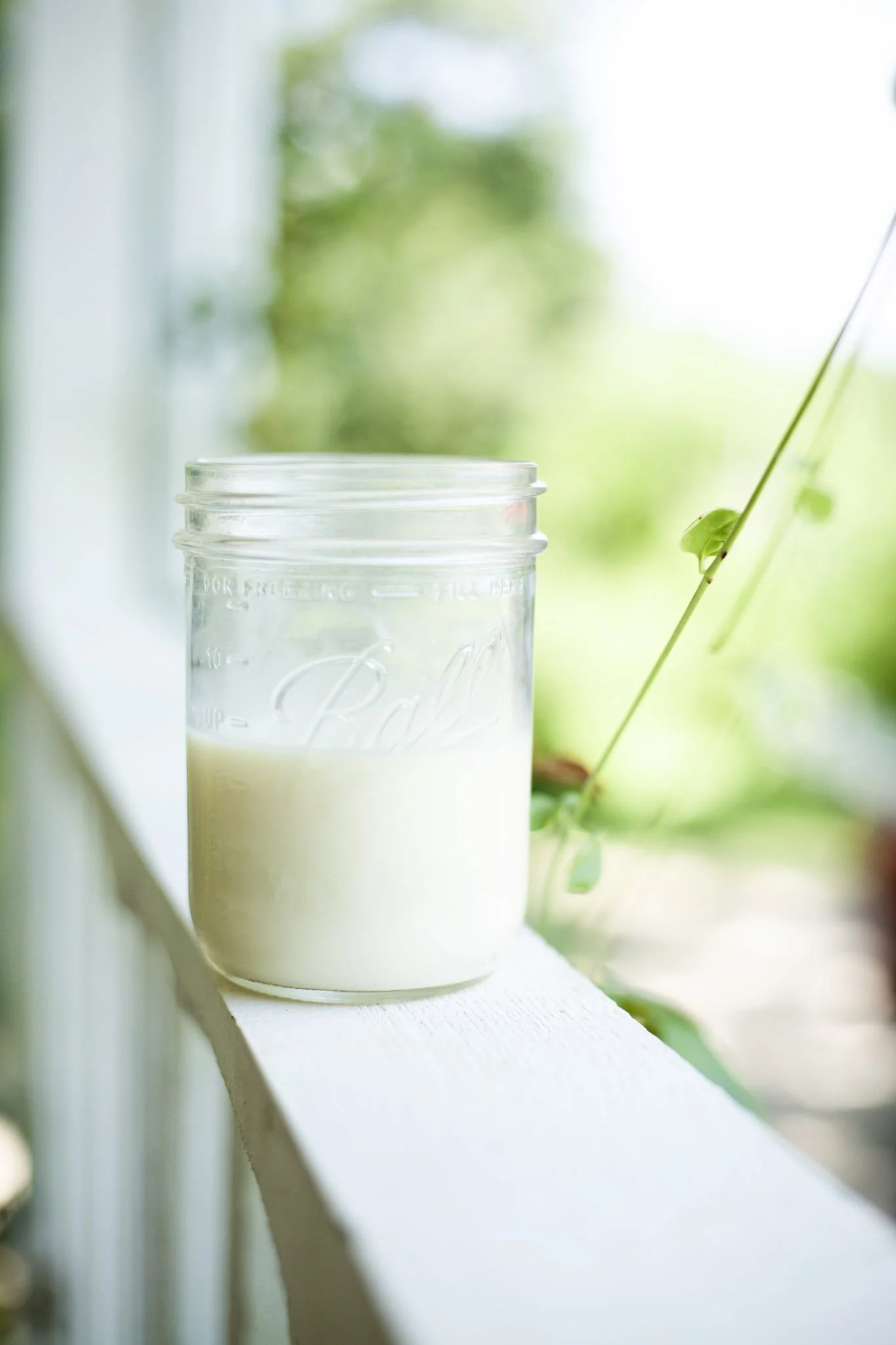
Traditional Wisdom: Why Cultures Valued Milk
Across cultures, milk was more than a drink; it was a key ingredient in daily nutrition:
Europe: Swiss and French families prized raw milk and butter from grass-fed cows, often using milk in cooking, baking, and fermentation.
Asia: Certain Indian diets include milk, yogurt, and ghee as staples for children and adults, supporting immunity and energy.
Indigenous North America: Milk and dairy were introduced through trade with Europeans, and when available, were highly valued for sustenance and nutrition.
In every example, milk was appreciated for its ability to support growth, strength, and overall health, often forming a central part of meals rather than a peripheral beverage.
Nutrient Highlights in Raw Milk
Raw milk is a complex food, and its benefits go far beyond basic protein and calcium:
1. Enzymes for Digestion
Raw milk contains natural enzymes, including lactase, which helps the body digest lactose. Many families notice improved tolerance to raw A2/A2 milk compared to conventional store-bought milk.
2. Fat-Soluble Vitamins
Milk is rich in vitamins A, D, E, and K2, which are crucial for:
Bone health
Immune support
Healthy growth in children
Cardiovascular and brain health
3. Beneficial Fats
Raw milk contains omega-3 fatty acids and conjugated linoleic acid (CLA), which can support inflammation balance, heart health, and metabolic function.
4. Minerals in Natural Form
Calcium, magnesium, phosphorus, and trace minerals in raw milk are highly bioavailable, meaning the body absorbs them more efficiently than in processed milk.
5. Probiotics and Cultured Products
When raw milk is turned into yogurt, kefir, or cheese, it becomes a source of beneficial bacteria that support gut health, digestion, and immunity.
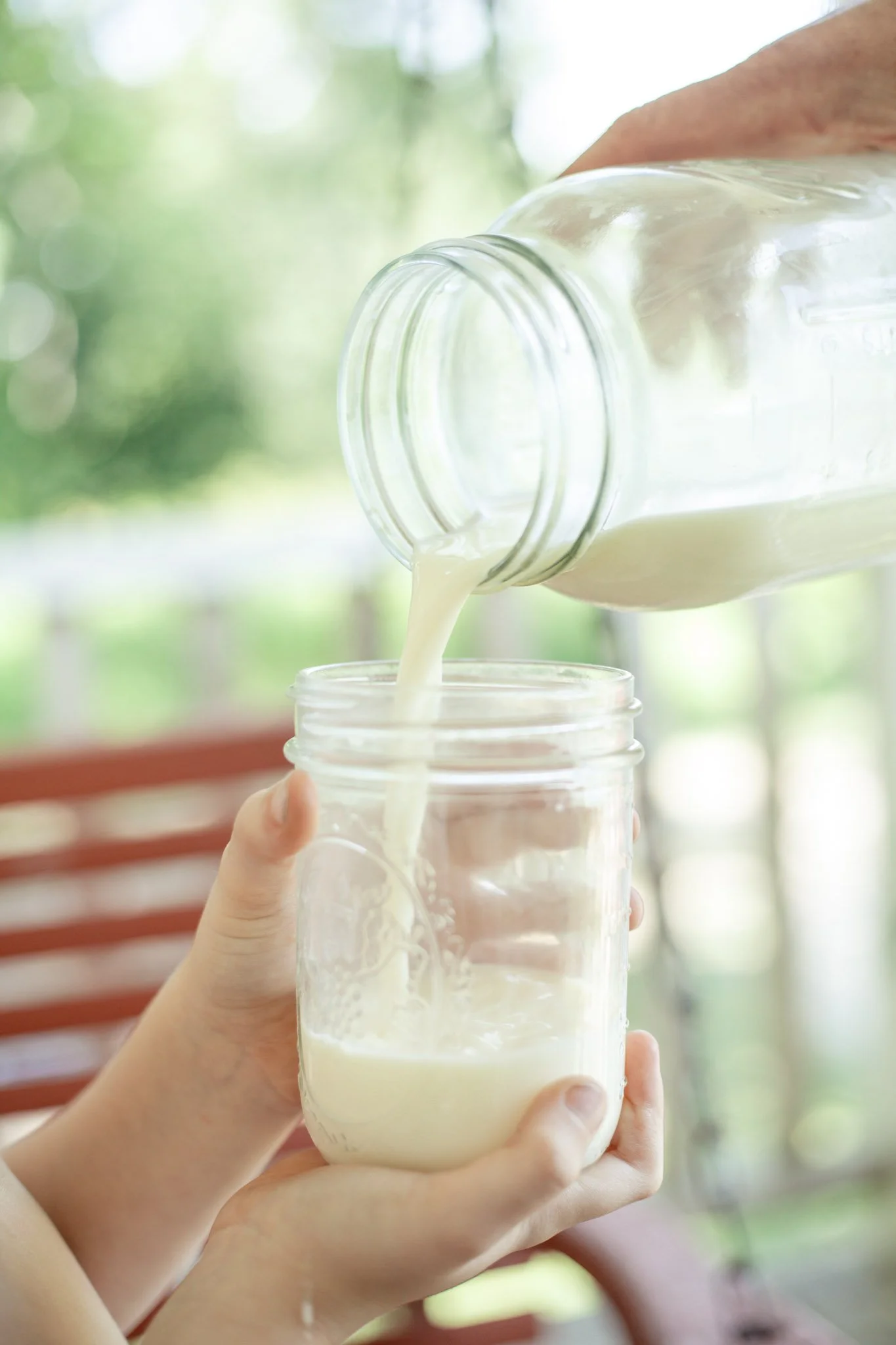
Why Pasture Makes a Difference
Cows grazing on healthy pasture produce milk with higher levels of nutrients, particularly vitamin A, vitamin E, and omega-3 fatty acids.
At Rose n’ Thistle Farm, our herd is grass-fed and cared for with attention to traditional husbandry. Healthy cows = nutrient-dense milk. Seasonal changes also influence milk richness, so spring and summer milk can be especially nourishing.
Raw Milk for Children and Families
Families often ask: Is raw milk safe for kids? When sourced from a responsible, small farm, raw milk can be a cornerstone of a child’s diet:
Supports growth and bone development
Provides natural fat-soluble vitamins that are often lacking in processed foods
Can be easier to digest for children sensitive to conventional milk
Encourages a connection to real food and the farm
This aligns with Weston A Price nutrition principles, emphasizing whole, nutrient-dense foods for optimal family health.
How to Use Raw Milk
Raw milk is versatile and can be incorporated into daily life:
Fresh milk for drinking
Yogurt and kefir for breakfast or snacks
Butter and ghee for cooking and baking
Ice cream, custards, and puddings for treats
Cheese for sandwiches, snacks, or meals
Families who consistently use raw milk often report healthier digestion, better energy, and children who actually enjoy their milk.
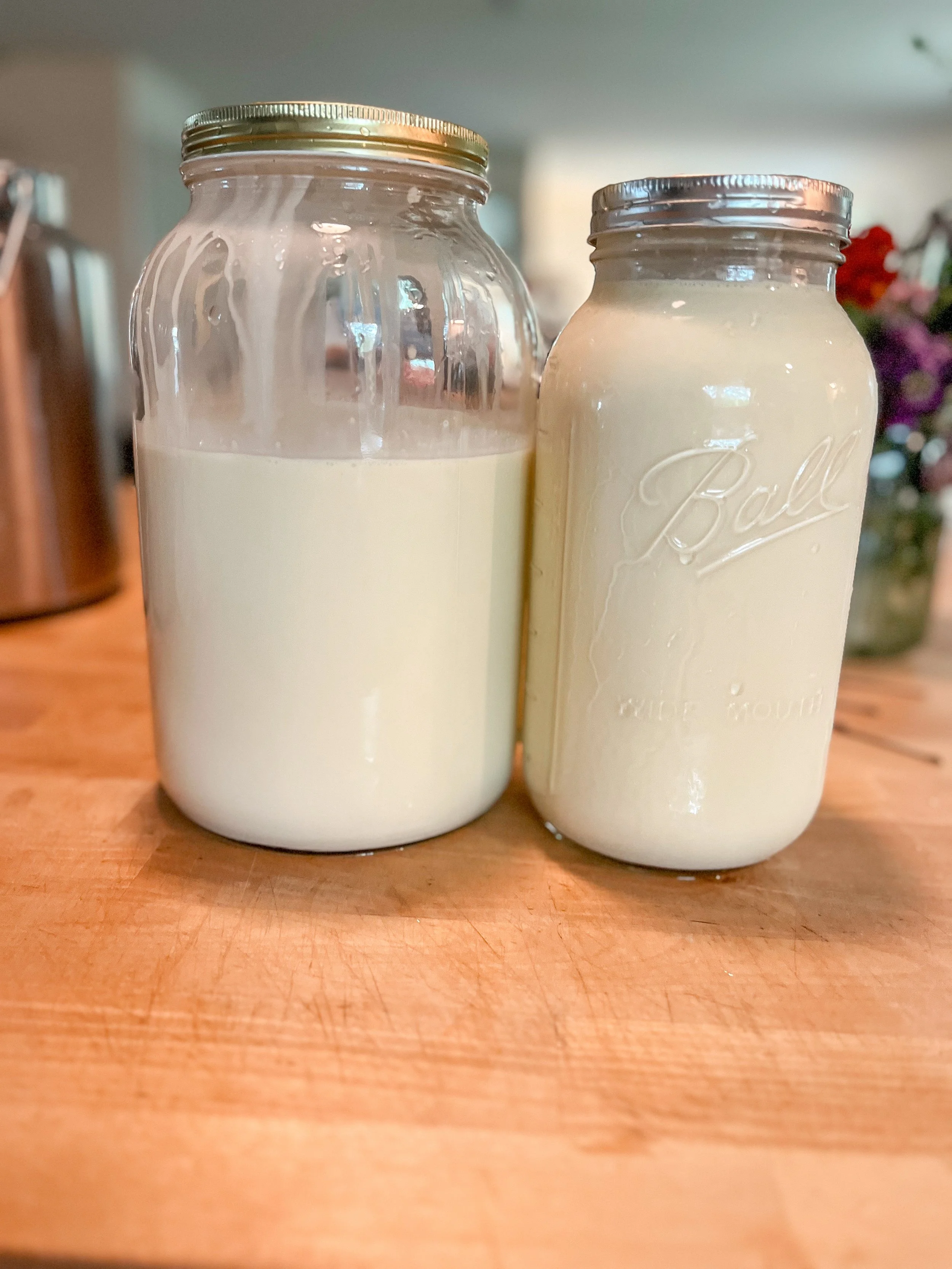
Why Rose n’ Thistle Farm Is Different
Our small, family-run farm in Southern Indiana, allows us to care deeply for every cow and calf. Key practices include:
Grass-fed, healthy cows
Pasture-focused husbandry
Careful milking and sanitation
Transparency for members: see the herd, calves, and milking process
This ensures every member receives safe, nutrient-dense milk, connecting families to the farm and the food they bring home.
Join Our Herd Share — Opening April 2026
If you want to bring fresh, nourishing raw milk to your family this spring, now’s the perfect time. Our herd share opens in April 2026, with limited spaces to ensure our cows and calves get the care they need — and every member receives consistent, high-quality milk.
Reserve your share today and start enjoying the benefits of pasture-raised, raw milk.
Sign Up Here →