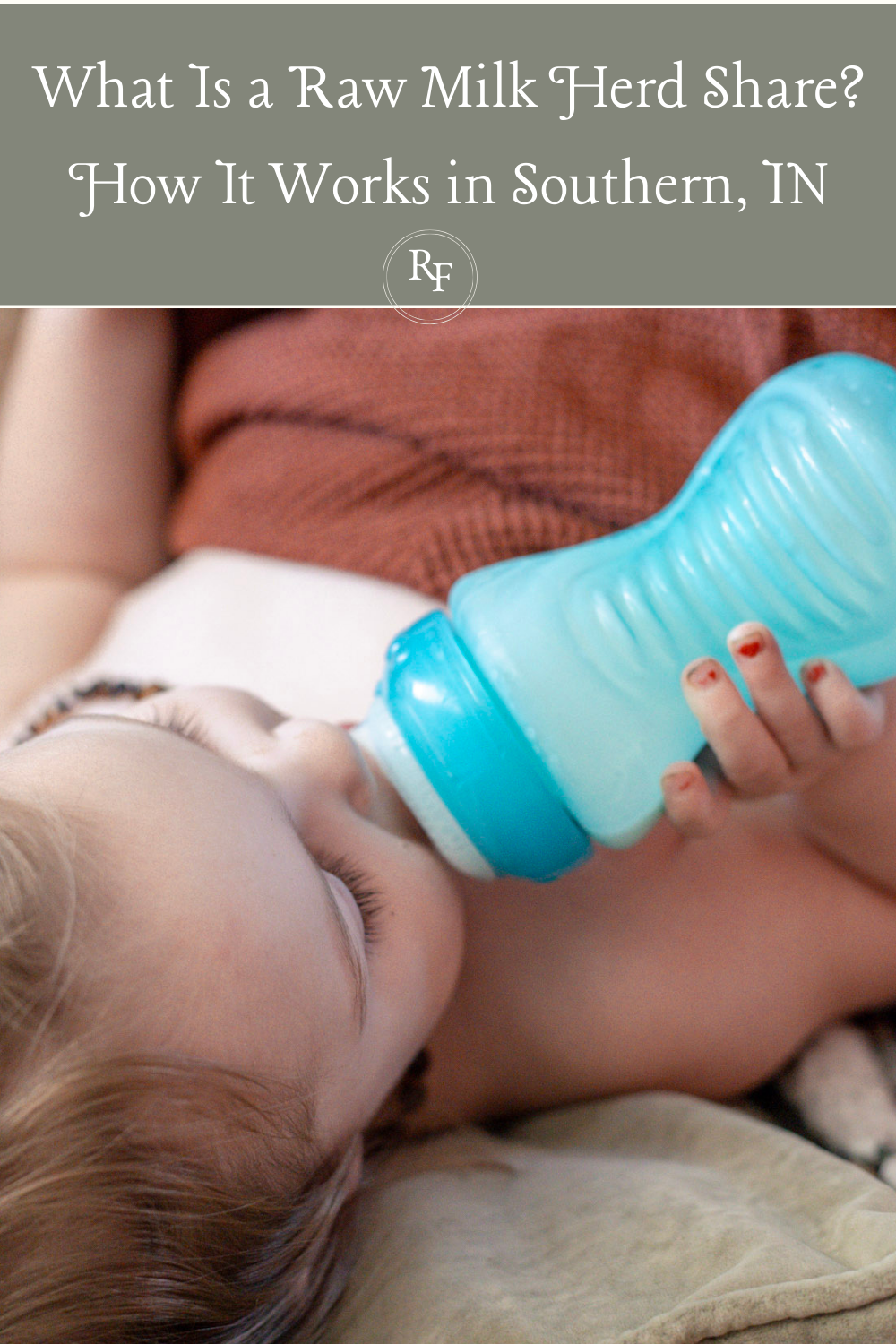
When My Toddler Couldn’t Tolerate Milk — And the Simple Change That Fixed It

For most of my mothering journey, dairy has been a staple in our home.
Fresh milk, homemade ice cream, whipped cream on desserts, yogurt in the fridge—these are just part of our everyday diet. And when my children began transitioning from breastfeeding, introducing milk felt like the most natural step in the world.
So when my youngest daughter started having trouble with milk… I was completely caught off guard.
When Dairy Suddenly Became a Problem
When my youngest daughter was around a year old, I began introducing her to milk just like I had with my other children. I had complete confidence in the nutritional benefits it would provide. Milk has nourished growing families for generations, including mine! So I just assumed this time would be no different.
At the time, we didn’t have any cows in milk ourselves—we were giving ours a well-deserved break—so we were still primarily breastfeeding while gradually introducing milk sourced from a local farm we trusted. We had used their milk before when our cows had been dry and never had any problems. Naturally, I assumed my daughter would take to it just like my other kids had.
But after a while, I began noticing something wasn’t right. She started having frequent stomach issues. At first, I assumed it might be a food sensitivity—maybe bananas or something else she was eating.
But after paying closer attention, one thing kept standing out.
The milk.
To say I was disappointed would be an understatement.
We are a very dairy-loving family. Beyond the nutrition, there’s something special about having foods straight from the farm like:
Homemade ice cream
Fresh whipped cream
Yogurt
A cold glass of milk with a chocolate chip cookie
The thought that my daughter might not be able to enjoy those things was heartbreaking.

The Discovery That Changed Everything
Then I remembered something I had read before. There’s actually a growing body of research suggesting that some people who believe they are lactose intolerant may not actually struggle with lactose at all. Instead, the issue may be the type of protein in the milk.
Milk contains two primary types of beta-casein proteins:
A1 beta-casein
A2 beta-casein
Most conventional milk contains a mixture of both. However, milk from cows that are A2/A2 genetically tested contains only the A2 protein.
Researchers have found that when A1 beta-casein is digested, it can release a peptide called beta-casomorphin-7 (BCM-7), which may influence digestion and contribute to gastrointestinal discomfort in some individuals.
A randomized crossover study published in the European Journal of Clinical Nutrition found that participants who drank milk containing A1 beta-casein experienced more digestive discomfort compared to those who drank milk containing only A2 beta-casein.
https://www.nature.com/articles/ejcn2014127
Another clinical study found that milk containing only A2 beta-casein was associated with fewer symptoms like bloating, abdominal pain, and loose stools among people who typically reported dairy intolerance.
https://pubmed.ncbi.nlm.nih.gov/31773165/
Because of this, some people who believe they are lactose intolerant may actually be reacting to the A1 protein, rather than the lactose itself.
Trying A2 Milk for the First Time
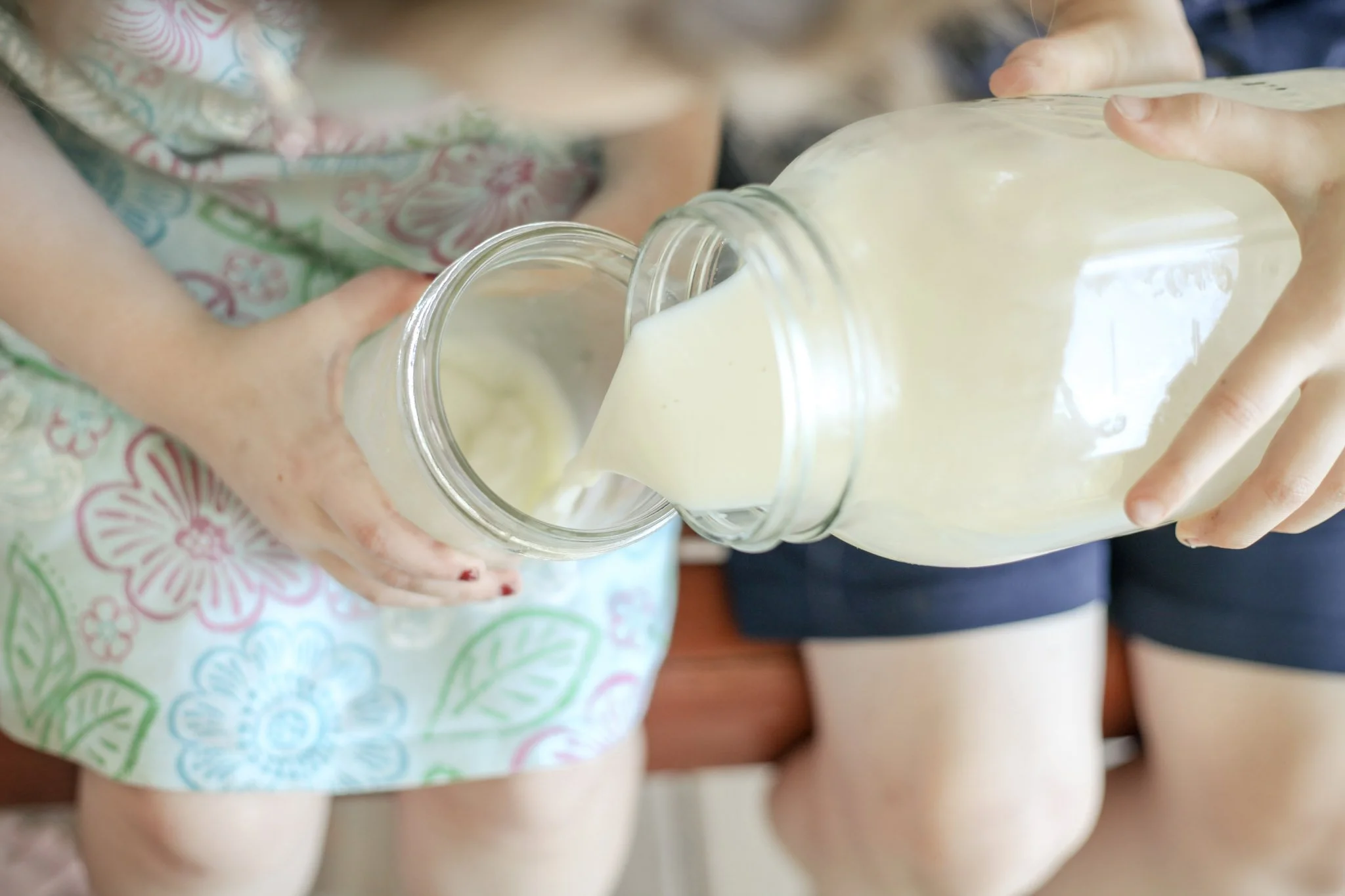
Around that same time, we discovered a dairy in our area that offered A2 milk, both raw and low-temperature pasteurized. It was a bit of a drive for our family, but if there was even a chance it could help my daughter, it was worth trying.
So we made our first trip.
And within a week…
The difference was incredible.
The stomach issues that had been happening regularly simply disappeared. Her grumpy little tummy was gone. Even some minor skin rashes she had been dealing with cleared up.
I had heard about the potential benefits of A2 milk before—but seeing it firsthand in my own child was amazing.
A Brief History of A1 vs A2 Milk
Interestingly, A2 milk is actually the original form of milk.
Thousands of years ago, cows naturally produced milk containing only the A2 beta-casein protein. Over time, a genetic mutation occurred in some European cattle breeds that created the A1 beta-casein protein.
Today, many modern dairy cows produce milk containing both A1 and A2 proteins. However, farmers can test their cows and intentionally breed herds that produce A2/A2 milk only.
These cows produce milk that contains exclusively the A2 protein—milk that many people find easier to digest.
Researchers continue to study the differences between these proteins and how they affect digestion and gut health.
https://link.springer.com/article/10.1007/s00394-021-02551-x
Why We Prioritize A2 Milk for Our Family
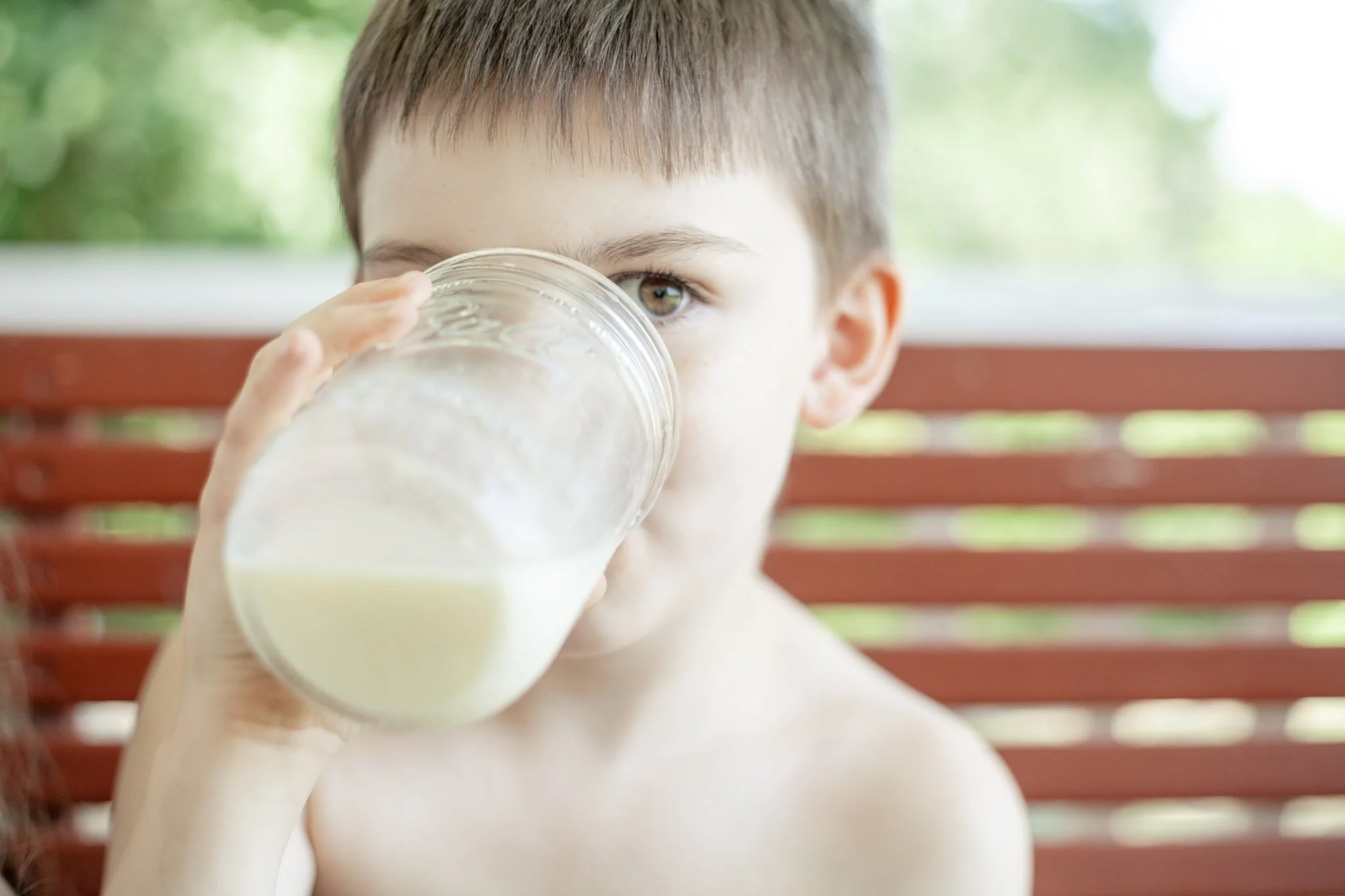
After seeing such a dramatic change in our daughter, my husband and I made an intentional decision. We would prioritize A2 milk for our family.
Now she enjoys all the dairy things we love again:
Yogurt
Fresh whipped cream
Ice cream
And her daily bottle of milk (which she still insists on!)
Watching her thrive while enjoying nourishing dairy again has been such a gift.
Bringing A2 Milk to Our Own Farm
This experience also played a role in shaping the direction of our own dairy.
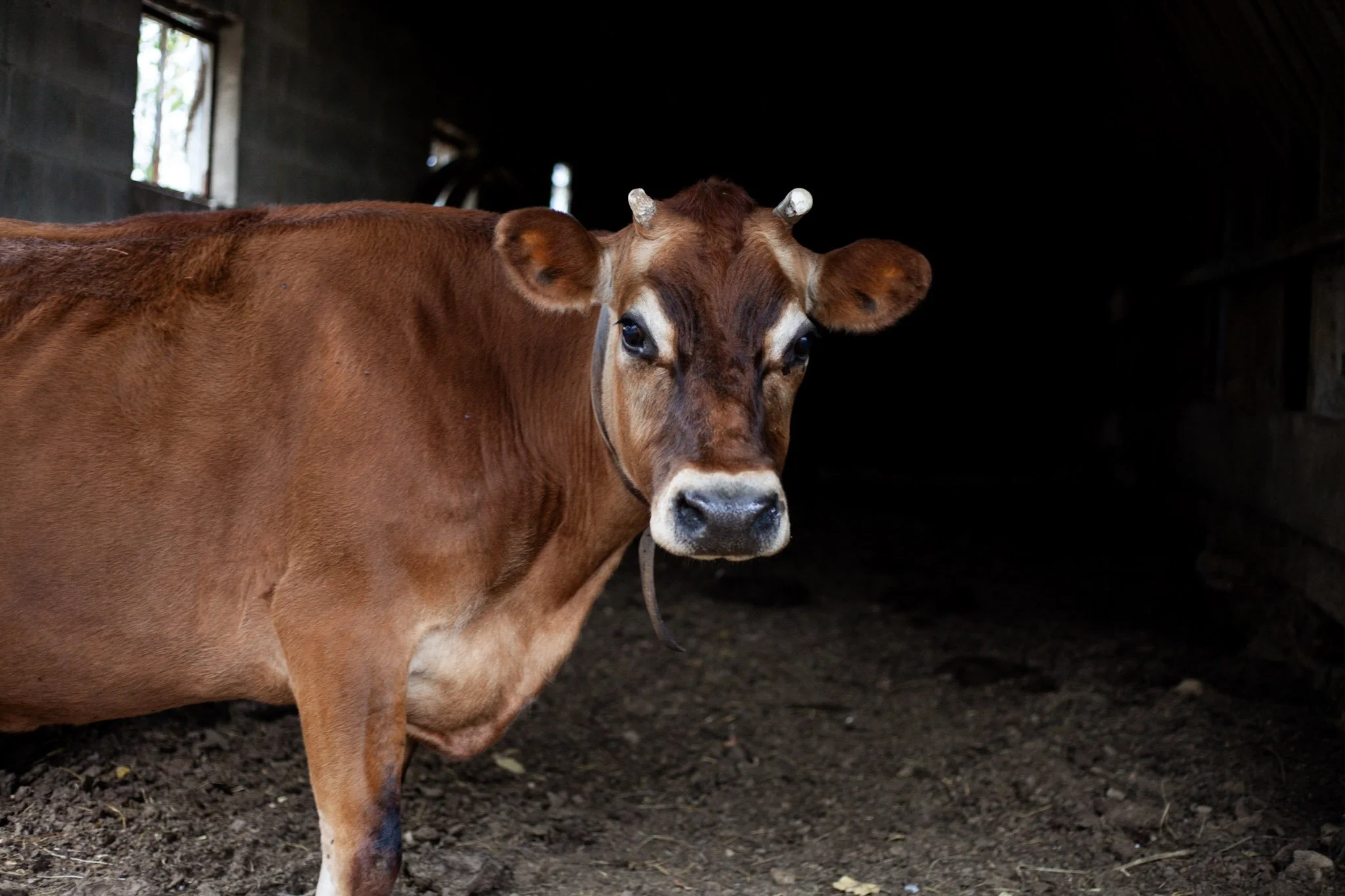
At the beginning of March, we welcomed a new cow to the farm—Marigold, who is A2/A2 tested. Now our daughter gets to enjoy the beautiful benefits of fresh A2 milk straight from our very own cow. And honestly, joy of knowing we have the ability to provide that for her is unmatched.
Curious About Trying A2 Raw Milk?
If you’ve ever wondered whether A2 milk might make a difference for your family, you’re not alone. Many families who struggle with dairy find they tolerate A2 milk—especially raw A2 milk—much better.
Here at Rose n’ Thistle farm, we offer a raw milk herd share for families in southern Indiana who want access to clean, transparent, nutrient-dense dairy from cows they know and trust.
If you’re interested in learning more, you can visit our Raw Milk Herd Share page and submit an application to become a member.
Curious what a herd share is exactly? Here is one of our previous posts that explains exactly how it works here in Southern Indiana - https://www.rosenthistlefarm.com/blog/raw-milk-herd-share-paoli-in
We truly believe in the power of real food—and sometimes the smallest changes can make the biggest difference.
Frequently Asked Questions About A2 Milk
What is A2 milk?
A2 milk is milk that contains only the A2 beta-casein protein.
Milk naturally contains proteins called beta-casein, and there are two main types: A1 and A2. Most conventional milk contains a mix of both proteins.
However, some cows carry a genetic trait that allows them to produce only A2 protein, which is referred to as A2/A2 milk.
Many people report that A2 milk is easier to digest than conventional milk, especially if they experience discomfort when drinking regular dairy.
Is A2 milk lactose free?
No. A2 milk still contains lactose.
However, some people who believe they are lactose intolerant actually find they tolerate A2 milk much better. Researchers believe this may be because their digestive discomfort is related to the A1 protein in conventional milk, rather than the lactose itself.
Studies have found that people drinking milk containing only A2 beta-casein reported fewer digestive symptoms than those drinking milk with A1 protein.
https://pubmed.ncbi.nlm.nih.gov/31773165/
Is A2 milk easier to digest?
For some people, yes.
Research has shown that the A1 beta-casein protein found in most modern milk can break down during digestion into a compound called beta-casomorphin-7 (BCM-7), which may influence digestive discomfort in certain individuals.
Milk containing only A2 beta-casein does not produce this compound in the same way during digestion, which may explain why some people report fewer symptoms.
One clinical study found that people consuming A2 milk experienced less bloating, abdominal pain, and digestive discomfort compared to conventional milk.
https://www.nature.com/articles/ejcn2014127
Do all cows produce A2 milk?
No. Cows can produce three different genetic combinations:
A1/A1 – produces only A1 protein
A1/A2 – produces both proteins
A2/A2 – produces only A2 protein
Farmers can test their cows to determine which type they carry. Some dairy farms intentionally breed cows with A2/A2 genetics so their milk contains only the A2 protein.
Is raw A2 milk different from regular milk?
Raw A2 milk combines two important differences from conventional store-bought milk:
The protein type (A2 only)
The milk is unprocessed and not ultra-pasteurized
Many families choose raw milk because it comes from local farms where they know the animals and farming practices.
At Rose n’ Thistle Creamery, our goal is to provide clean, transparent dairy from cows you know and trust.