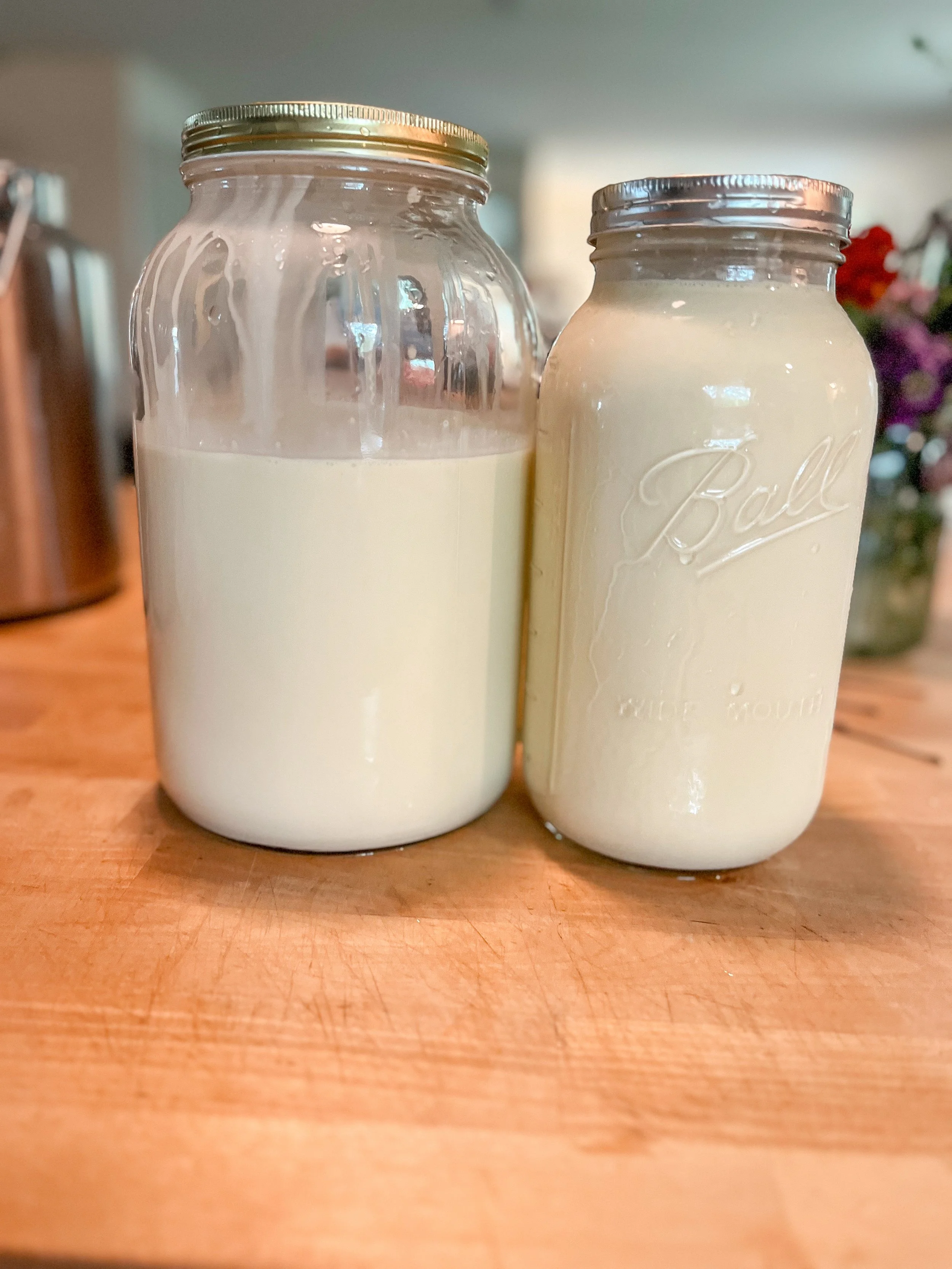
If you’ve ever thought about adding raw milk to your family’s diet, you’ve probably asked yourself: “Is it really safe?”
I get it. As a mom, I want the nutritional benefits of raw milk without any worries about safety. The truth is, not all raw milk farms are created equal. But here’s the good news—you can know exactly what to look for, so your family can enjoy fresh, wholesome milk with confidence.
At Rose n’ Thistle Farm, I want every family to feel comfortable bringing raw milk into their home. Whether you’re just curious or ready to join a herd share, these are the key things to check when choosing a safe raw milk farm.
1. Healthy, Well-Cared-for Herds
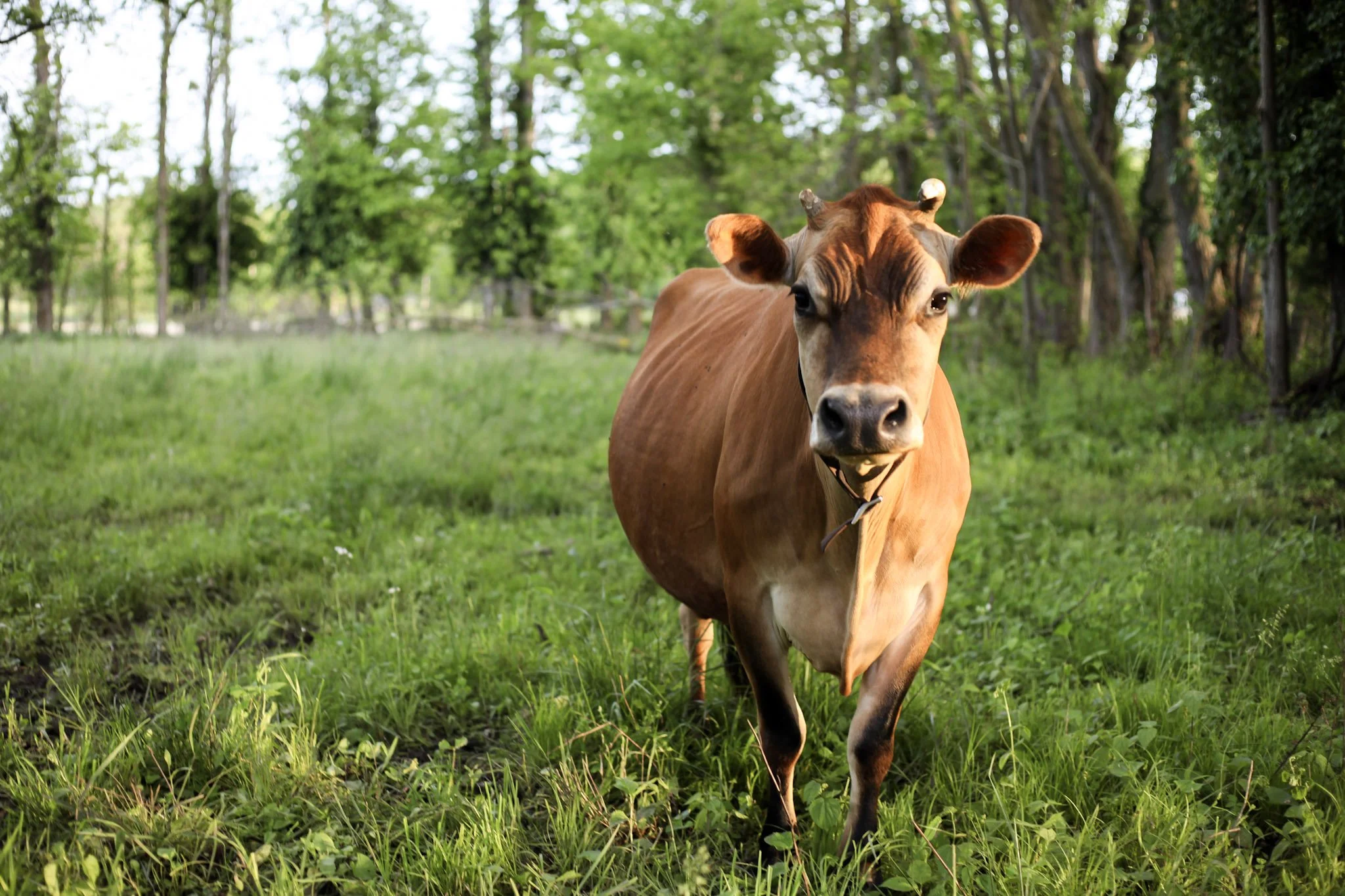
Safe milk starts with healthy cows. The cows themselves set the foundation for clean, nutritious milk. Look for farms that:
Schedule regular veterinary checkups
Keep the herd vaccinated and parasite-free
Feed a natural, nutritious diet (pasture is a big plus!)
Provide comfortable, stress-free living conditions
Healthy cows aren’t just nicer to look at—they produce safer, better milk. I’ve seen firsthand how cows that are stressed or poorly fed can affect milk quality. Families deserve milk from animals that are thriving, not just surviving.
Tip for farm visits: Ask to see the pasture and living spaces. If the cows seem happy and clean, that’s a great sign.
2. Clean Milking Practices
Even the healthiest cow can produce milk that’s unsafe if the milking process isn’t clean. A trustworthy farm will:
Sanitize milking equipment before and after each session
Thoroughly clean udders and teats before milking
Train staff on proper hygiene practices
Keep the milking area spotless
When you visit a farm, take note of the cleanliness. Clean milking routines drastically reduce contamination risk. Many families worry about raw milk safety, but sanitation goes a long way in keeping it safe for your fridge and your kids.
3. Regular Milk Testing
A safe farm doesn’t leave milk safety to chance. Look for farms that:
Perform routine microbial testing for Salmonella, E. coli, and Listeria (we do ours monthly)
Monitor milk quality (somatic cell counts, bacterial counts)
Share test results transparently with members
Keep thorough herd health and milk safety records
Testing is your assurance that milk is safe before it ever reaches your home. I like to be transparent with families on our herd share, showing them test results so they know exactly what they’re drinking. It builds trust and peace of mind—something you can’t put a price on.
4. Safe Handling & Storage
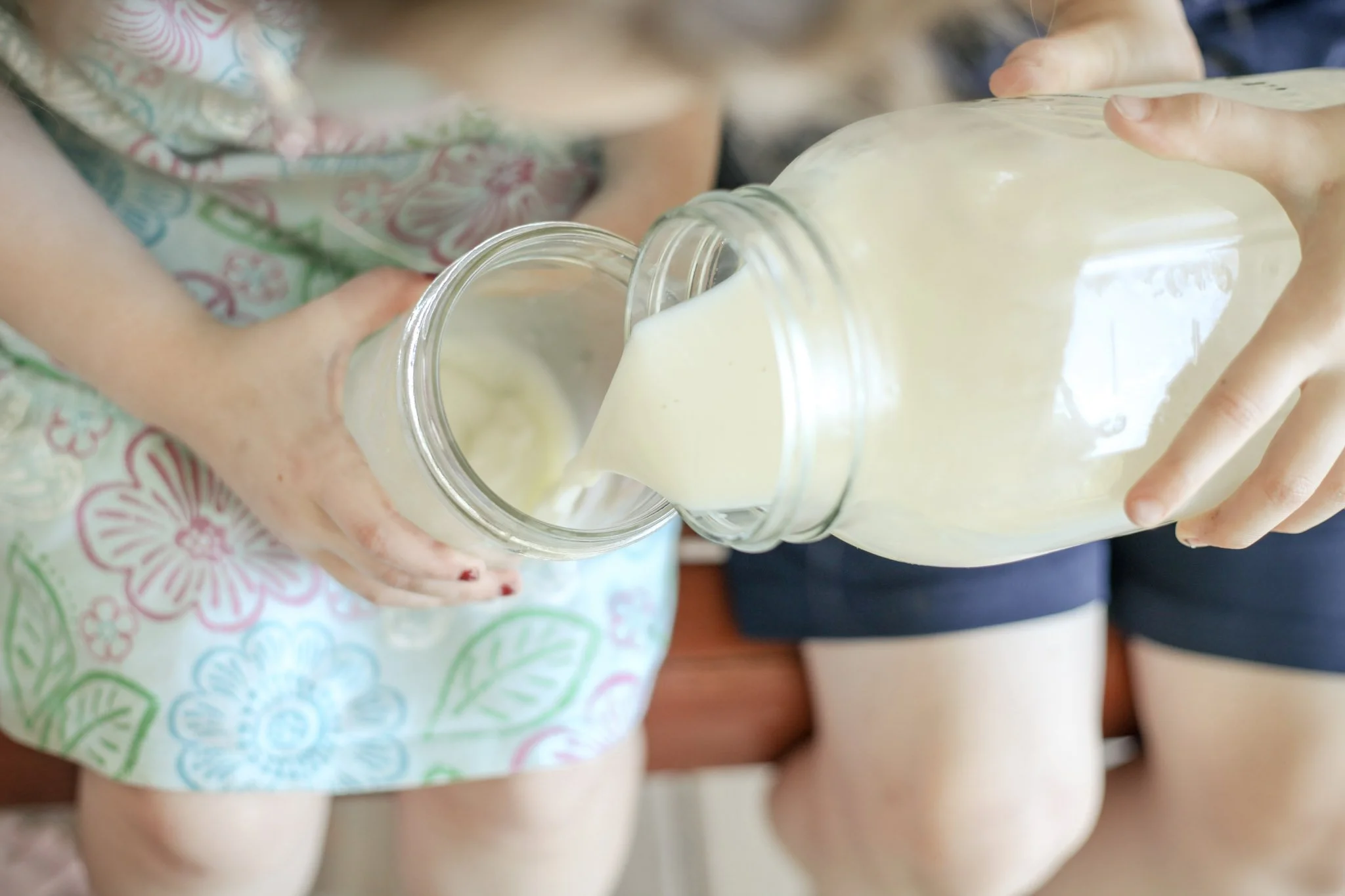
Even the safest cows can’t guarantee safe milk if it isn’t handled properly after milking. Make sure the farm:
Cools milk immediately after milking
Sanitizes bottles or containers
Stores milk at the correct temperature
Maintains a strict cold chain from farm to your pickup
I always tell new herd share members: raw milk is living food. Treat it gently, keep it cold, and it will stay fresh and delicious. Families often worry about spoilage, but proper handling makes all the difference.
5. Transparent Farm Practices
A farm that is open about its operations demonstrates that they care about your trust. Look for farms that:
Offer tours, photos, or video walkthroughs of the operation
Communicate clearly about herd care and milking routines
Have transparent herd share policies, pickup procedures, and pricing
Share their philosophy on safety and quality
Transparency is not just a bonus—it’s a must-have. When families can see behind the scenes and ask questions, they feel confident about what they’re bringing home.
Extra Tips for Visiting or Choosing a Farm
Here are a few practical ways to put this checklist to work:
Ask Questions: Don’t be shy. Ask about testing schedules, cow diets, and milking routines. A good farm will welcome your curiosity.
Observe the Herd: Healthy, calm cows, clean barns, and green pastures are good indicators.
Check the Storage: Look at how milk is stored and chilled. Milk that sits at room temperature or isn’t properly sanitized is a red flag.
Trust Your Gut: If something feels off, keep looking. Families often know intuitively what feels right.
Why a Checklist Makes This Easier
I know it can feel overwhelming to evaluate a farm. There’s a lot to remember, and it’s easy to overlook small details that actually matter. That’s why I created a free, printable checklist that covers everything a family should look for before joining a herd share dairy.
It’s simple to use—check off each item while you visit or talk with a farm. By the end, you’ll feel confident that you’re choosing a farm that prioritizes safety, health, and transparency.
With this checklist, you’ll know:
Your milk comes from healthy cows
Milking and handling practices are clean and safe
Milk testing is done regularly
The farm is transparent and trustworthy
Take the Guesswork Out of Choosing a Raw Milk Farm
Families switch to raw milk for nutrition, gut health, and just plain taste—but safety is always the top concern. Don’t settle for uncertainty. Use this checklist to make an informed choice and enjoy raw milk with peace of mind.