Why We Chose Raw Milk for Our Kids — And Never Looked Back

There’s something deeply comforting about going back to the old paths—the slower, simpler ways that our great-grandparents took for granted. Around here, we’ve found ourselves doing just that in many areas of life, from homeschooling and homegrown food to raising our own animals. One of the most meaningful changes we’ve made in recent years has been switching to raw milk for our children.
It’s more than just a trendy health thing. It’s a return to how milk was always intended to be enjoyed: fresh from the cow, brimming with nutrients, full of life. And the more we learned, the more convicted we felt—raw milk isn’t just a preference for our family; it’s become a cornerstone of our children’s health and upbringing.
Let me share why.
A Nutrient-Dense Superfood
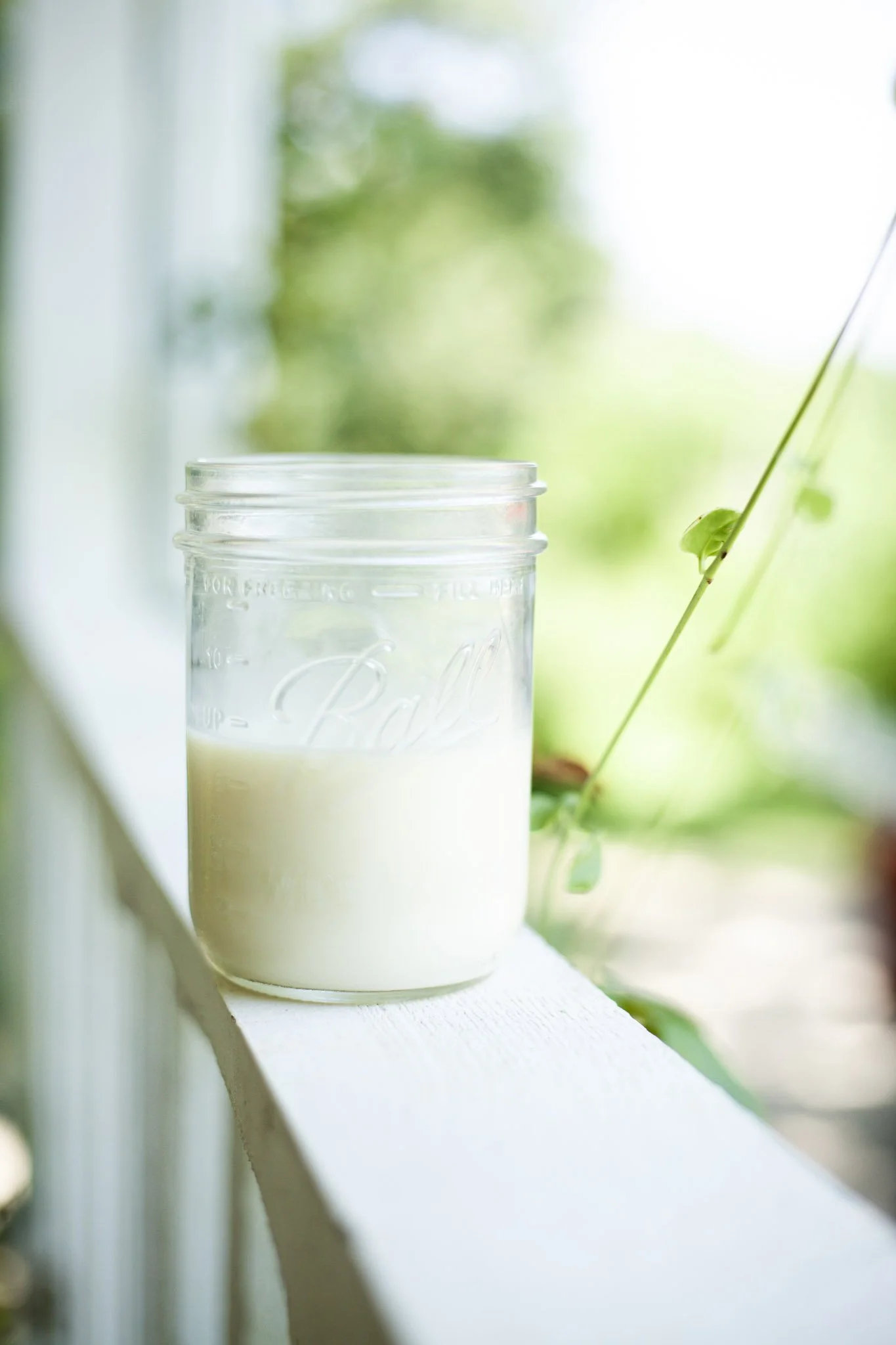
Raw milk isn’t just “unpasteurized milk.” It’s a living food, full of naturally occurring enzymes, probiotics, and fat-soluble vitamins that are often diminished or destroyed by pasteurization.
When kids drink raw milk from healthy, grass-fed cows, they’re getting:
Vitamin A, D, E, and K2 in a highly bioavailable form
Calcium and magnesium in the perfect ratio for growing bones
Naturally occurring enzymes like lactase, lipase, and phosphatase
Immune-boosting components like immunoglobulins, lactoferrin, and beneficial bacteria
It’s a whole food God designed—just as it comes from the animal.
The Science: What Studies Are Showing
It’s not just anecdotal, either. There have been multiple scientific studies done over the last two decades—especially in Europe—demonstrating real health benefits for children raised on raw milk.
A large study out of Switzerland and Germany, called the PASTURE Study, followed over 1,000 children growing up on farms. They found that children who drank raw milk:
Had significantly fewer allergies
Were less likely to develop asthma
Had stronger immune responses in early childhood
Another study published in the Journal of Allergy and Clinical Immunology found that raw milk consumption was associated with lower rates of respiratory infections and fever in young children.
In fact, the benefits were so clear that the researchers concluded:
“Consumption of raw farm milk may reduce the risk of developing respiratory infections and fever by about 30%.”
That’s huge. And it confirms what families like ours have known for generations: there’s something profoundly good about milk the way God made it.
Stronger Immunity, Naturally
When we give our kids raw milk, we’re giving them more than calories—we’re giving them tools to fight off sickness naturally. The naturally occurring probiotics in raw milk help build a resilient gut microbiome, which is foundational for immune health.
And instead of destroying helpful bacteria and enzymes, raw milk supports the development of a child’s digestive and immune systems—especially in those early, critical years.
There’s a reason traditional cultures have valued raw milk for centuries. They didn’t have refrigerators, freezers, or antibiotics. They needed food that nourished and protected—and raw milk did just that.
It Just Makes Sense
When we started sourcing our own raw milk from a small local farm, something clicked.
The milk was creamier. Our kids loved it. And we noticed little things—clearer skin, fewer runny noses, better digestion. It felt good knowing exactly where our milk was coming from, what the cows were eating, and how the milk was handled.
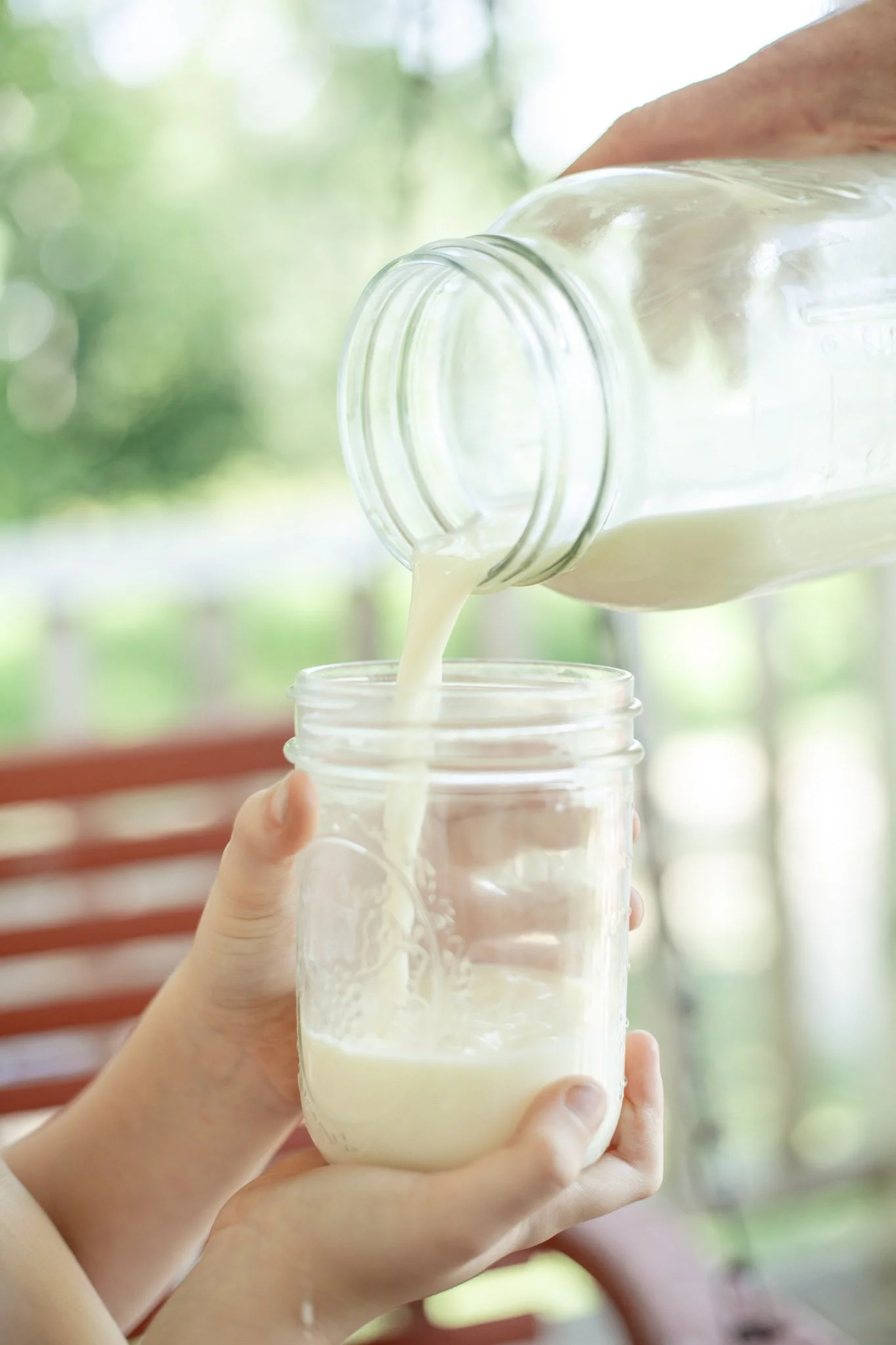
And beyond the health benefits, there’s just something wholesome about involving your children in the process—watching the milk go from the cow to the jar to the table. It brings food back into its proper place: not as a factory-made product, but as a gift from God’s creation.
Addressing the Safety Concerns
Of course, we did our homework. Like most people, we grew up hearing that raw milk was dangerous. But after researching and learning from other families and farmers, we discovered that raw milk—when handled properly—is incredibly safe.
Here’s the key: It matters who you get it from. Just like with meat or eggs, the source matters.
We only drink raw milk from a small farm where the cows are healthy, the barn is clean, and the milk is handled with care. It’s tested regularly. The cows are on pasture. And the difference is night and day compared to conventional dairy operations.
In fact, according to research from the Weston A. Price Foundation and raw milk safety advocate Dr. Ted Beals, you are more likely to become ill from deli meat than from raw milk—statistically speaking.
We’re not interested in taking foolish risks. But we also aren’t interested in avoiding good things out of fear when wisdom and discernment show a better way.
Building Traditions That Nourish
Ultimately, this decision isn’t just about nutrients. It’s about legacy.
Raising kids on raw milk has become part of a bigger picture for us—cultivating a life that’s rooted in simplicity, health, and family traditions. Just like homemade bread or garden-grown veggies, raw milk is one of those things that brings you back to the rhythms of God’s good design.
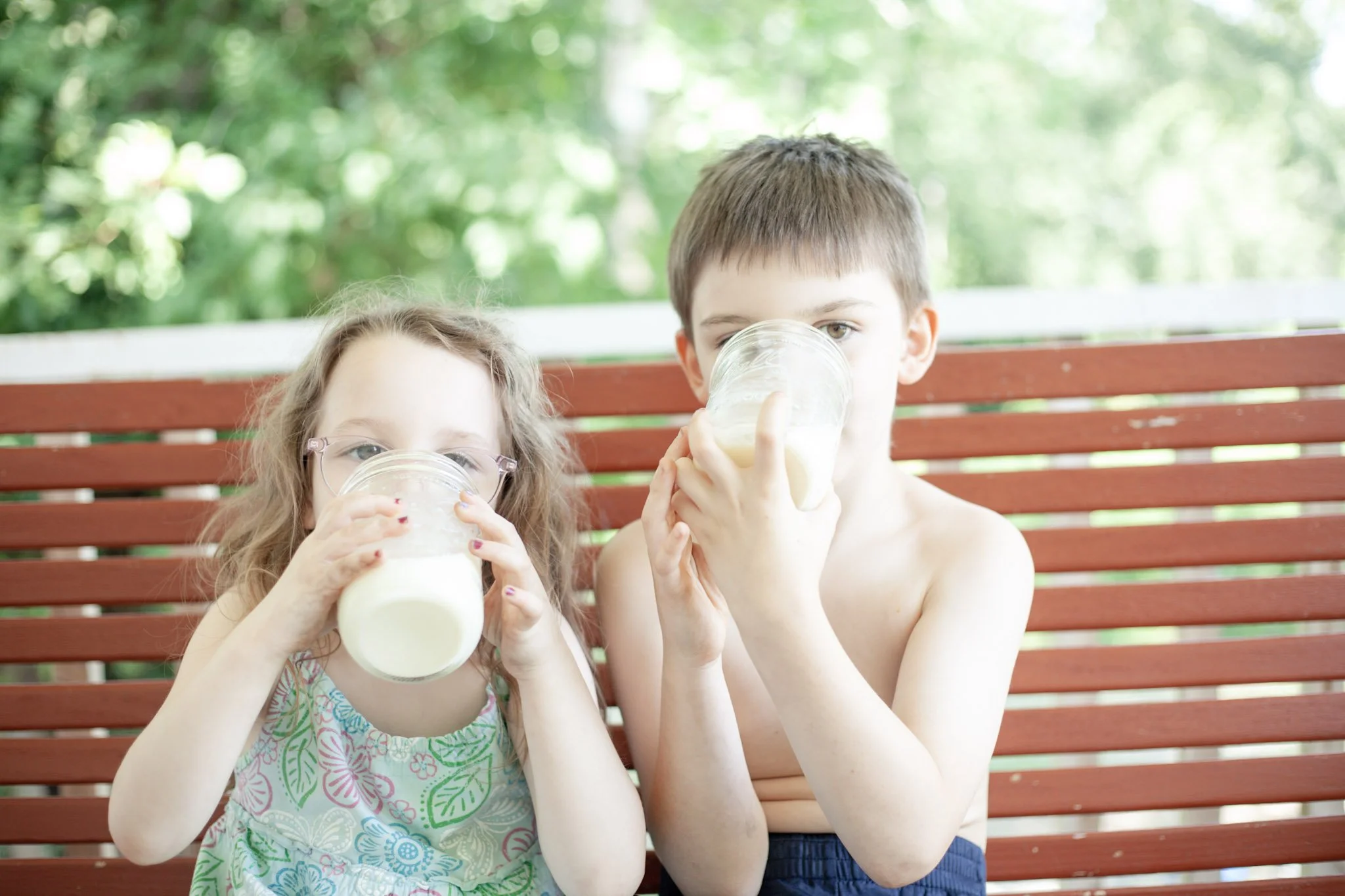
We want our kids to grow up with strong bodies, but we also want them to grow up with strong memories—of warm mugs of raw milk before bed, of pouring cream into Sunday morning pancakes, of walking out to the farm to pick up the milk and chatting with the farmer, or for us directly milking the cow with their dad.
These things shape them. They shape us, too.
Final Thoughts
Raw milk isn’t for everyone, and we’re not here to convince every family to do what we’ve done. But for those who value natural living, strong immunity, nutrient-dense food, and simple traditions—it’s worth exploring.
We’ve been blessed by it. Our children are thriving. And it’s just one more way we’re leaning into a lifestyle that honors the Lord, the land, and the little ones He’s entrusted to us.